
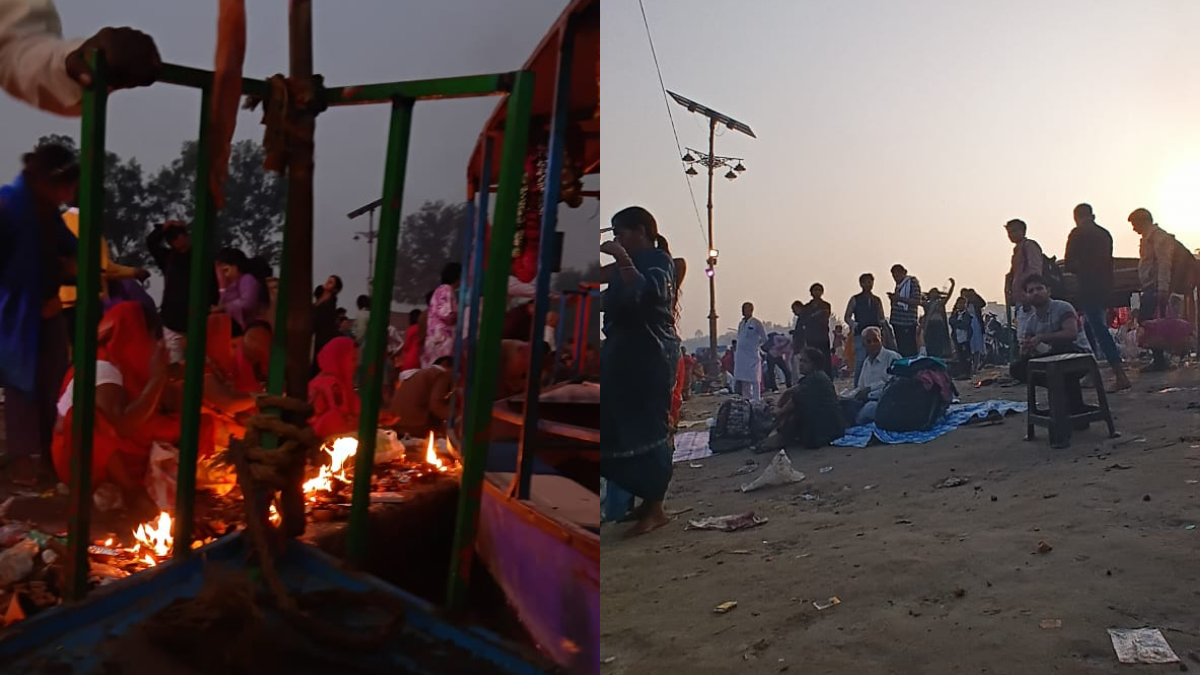
India, home to some of the world’s oldest beliefs and faiths, considers its rivers mothers. The devotion towards these sacred rivers is often swamped by the pollution left behind after a religious event or a sojourn in the Braj Town, located in the Mathura-Vrindavan area of Uttar Pradesh, which is known for.
Due to poor waste management and resulting pollution, these devotional areas have a deteriorated appearance. The ghats (banks) of the river Yamuna in Braj are one such vulnerable pocket where people are constantly making efforts to battle waste.
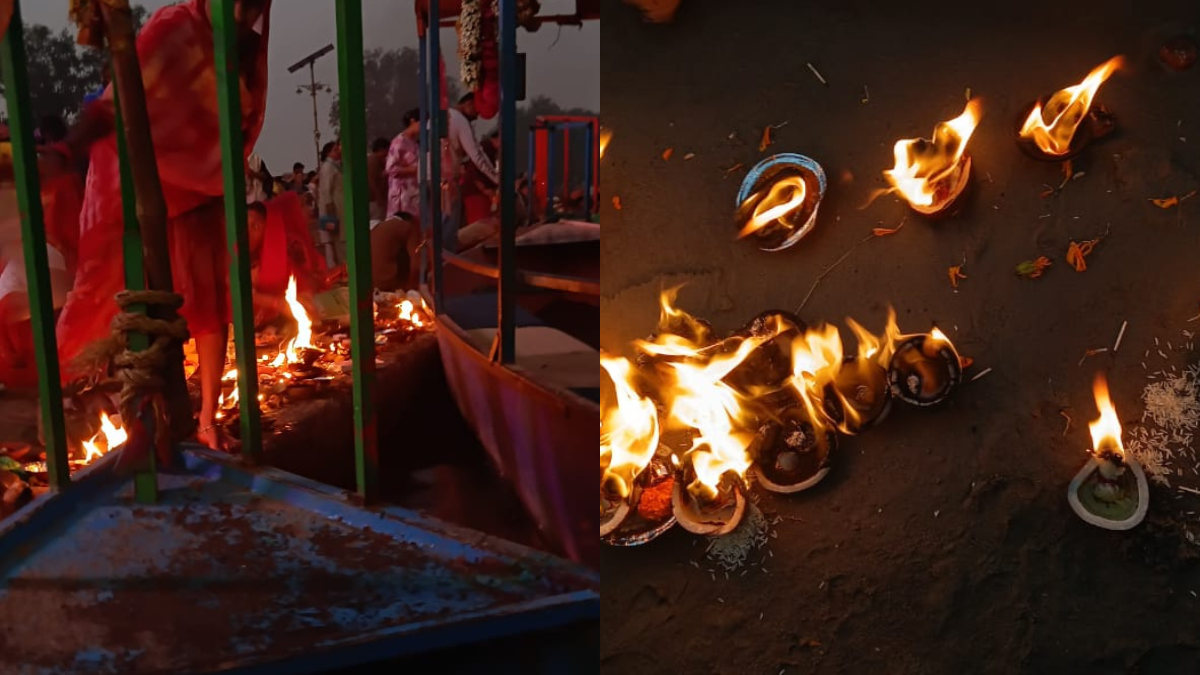
Being part of religious sentiment and considered sacred, the Yamuna attracts multiple devotees across its numerous ghats. Some of these ghats lie in the Braj region, which comprises towns considered sacred for their association with Lord Krishna, including Vrindavan, Barsana, Gokul, Nandgaon, Govardhan, and Mathura. The towns have multiple ghats that attract millions of devotees travelling from afar, who perform various religious rituals and make offerings to the Yamuna River.
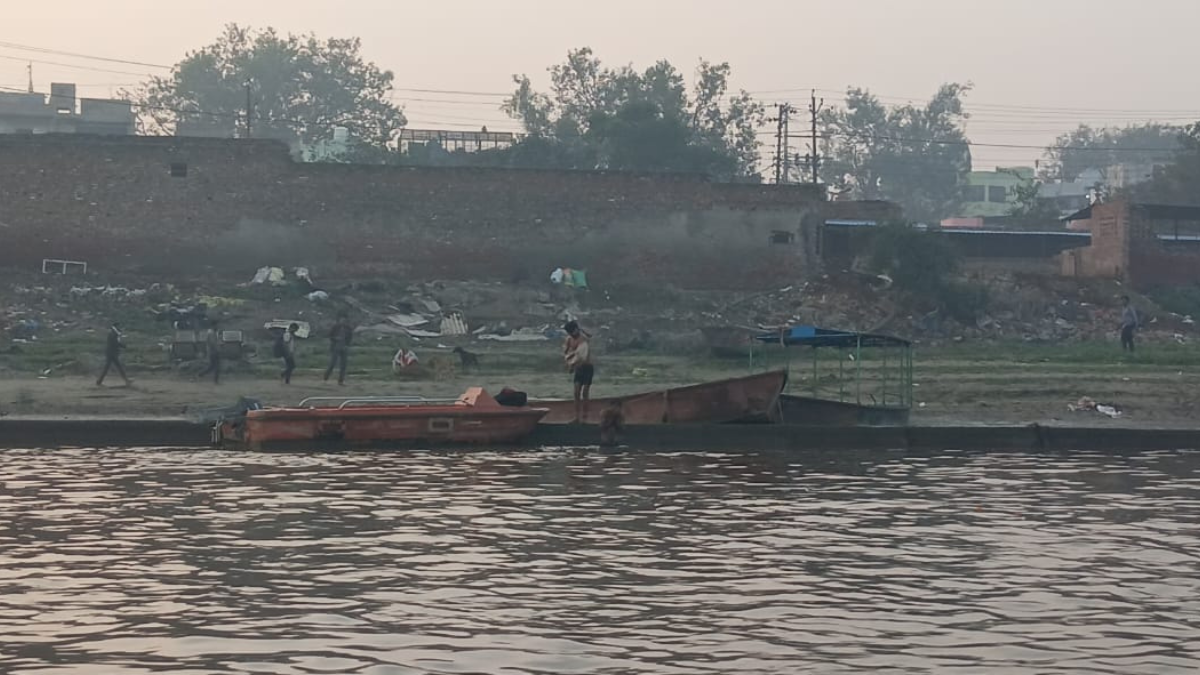
The Voices visited the banks of the Yamuna in Braj and came across non-biodegradable offerings left behind. The ghat was found saturated with waste, from plastic wrappers to flowers that take weeks to decompose, often leaving an awful smell lingering behind.
The Voices spoke with Prabhu ji Anant Veerya Das Ji, the Director of the Swachh Vrindavan Campaign, which works in collaboration with Nagar Nigam Mathura and Vrindavan, and the Vrindavan Chandroday Mandir Hare Krishna movement. He shared the nuances of the campaign that works tirelessly to ensure that the banks of the Yamuna remain clean, and basking in divinity remains a soothing event for all.
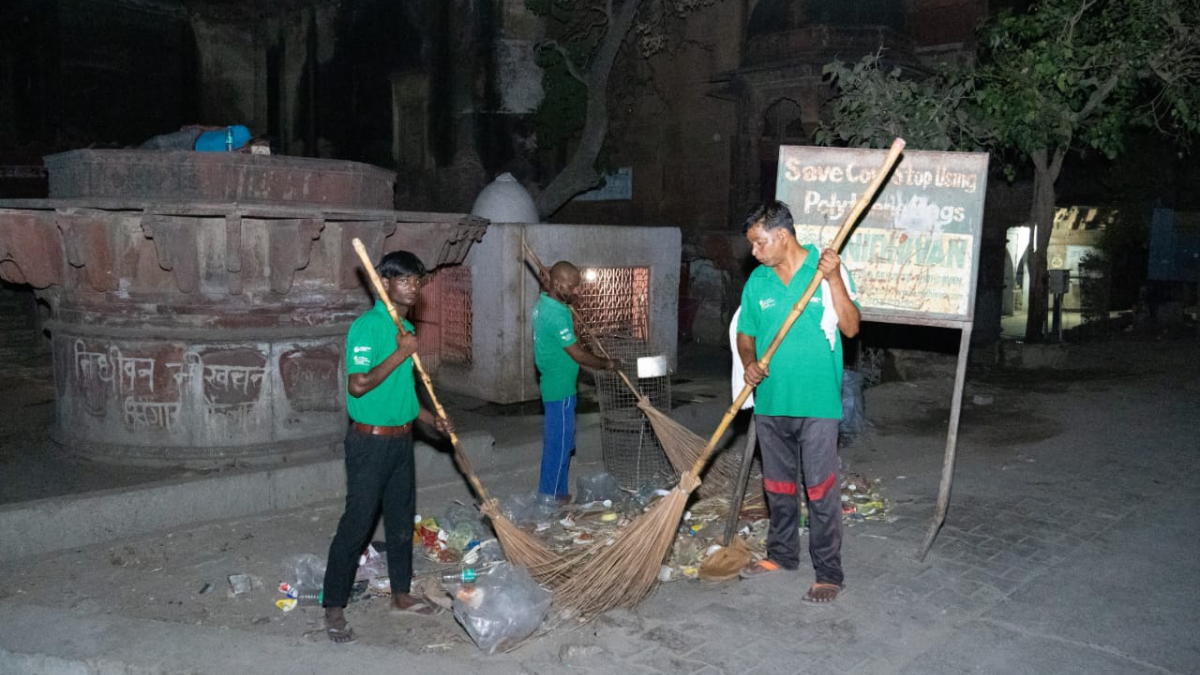
Talking to The Voices, Anant Veerya Dass Ji said that, in collaboration with Nagar Nigam Mathura Vrindavan, his organisation works to clean the Parikrama Marg in Vrindavan. To ensure that cleanliness exercises yield the desired results, Braj has been divided into nine zones. Vrindavan Chandrodaya Mandir assigns manpower for cleanliness. Nagar Nigam works in collaboration with non-profit organisations that lend cleanliness volunteers. Answering the call, Vrindavan Chandrodaya Mandir Hare Krishna movement frequently offers the services of six cleanliness workers and a supervisor, based in Imlitala, located near Cheer Ghat, toward the Parikrama Marg of the Saptdevalaya Mandir, he added.
Highlighting the shortcomings in achieving the complete sanitation target, Anant Veerya said that the lack of workers, especially during peak crowds at important devotional events such as Tulsi Vivah, Krishna Janmashtami and Karthik Mass, generates more waste than the cleanliness workers can handle.
Speaking to The Voices, Shyam Mishra, the sweeper at Ghats of Yamuna, said that he usually begins his work at 6 am, when the crowd of devotees throngs the Yamuna banks. He primarily operates from Jugal Ghat in Vrindavan and along the Parikrama route, where devotees often pay their respects with a holy dip and a boat ride.
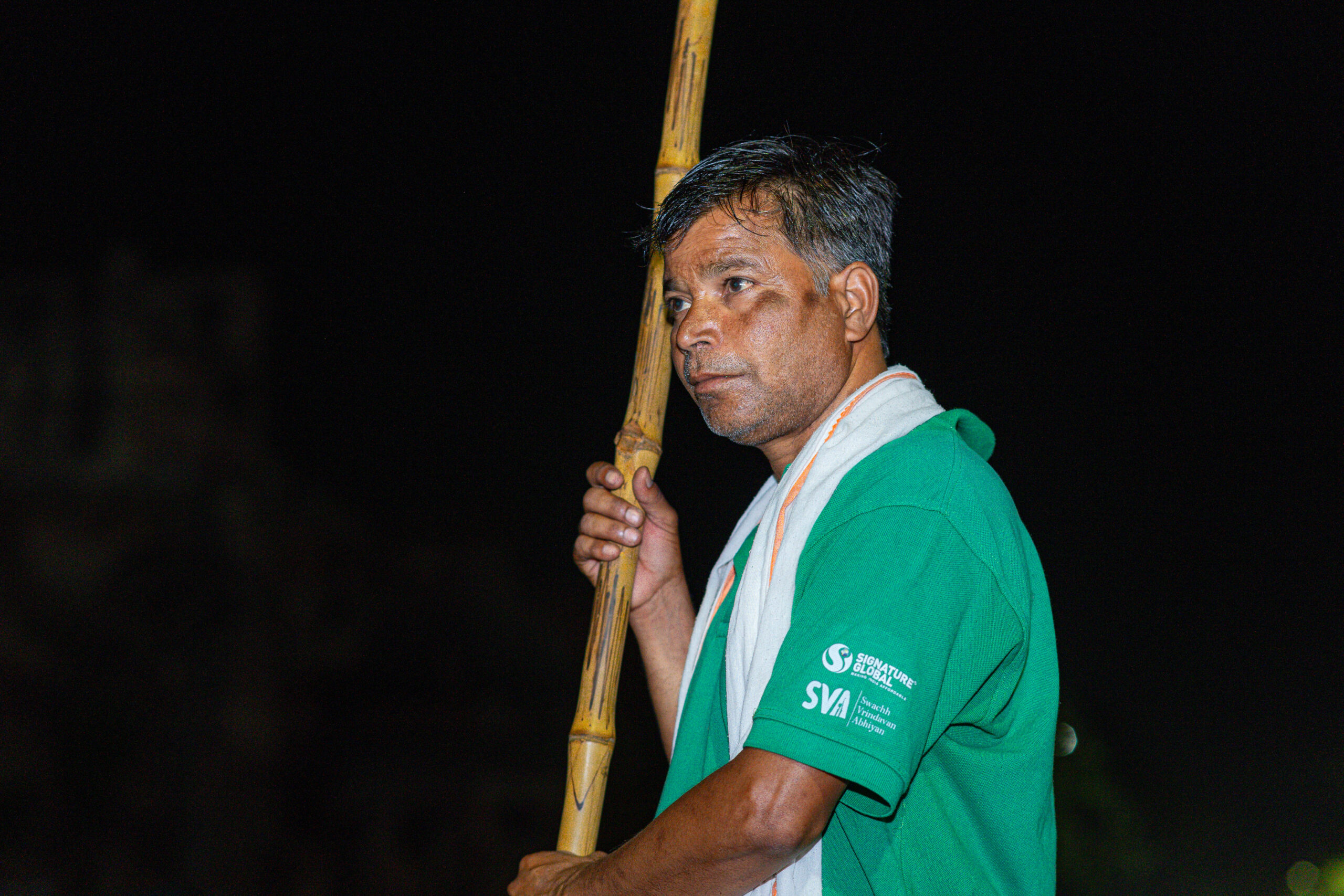
Shyam has been working on the Yamuna Ghat since his teen years. Devotees come from far and beyond, just to have a look at Yamuna maayi. “Most of them carry out elaborate pooja on the banks of the Yamuna and leave behind the plastic bowls, flowers and diya there. You can also see pooja being performed on the boats, where people offer a saree, a diya, and flowers to the sacred Yamuna. Eventually, these offerings get stuck on the bank and are collected as much as possible by the workers. But people also leave behind plastic wrappers, water bottles and even plastic sheets that they use to sit on,” he said.
While the cleaners wield their brooms as weapons to fight waste, some shopkeepers have turned up with an alternative to plastic bowls: coconut shells as diyas. These biodegradable diyas are proudly offered during prayers in water and left freely to float with the waves of the Yamuna.
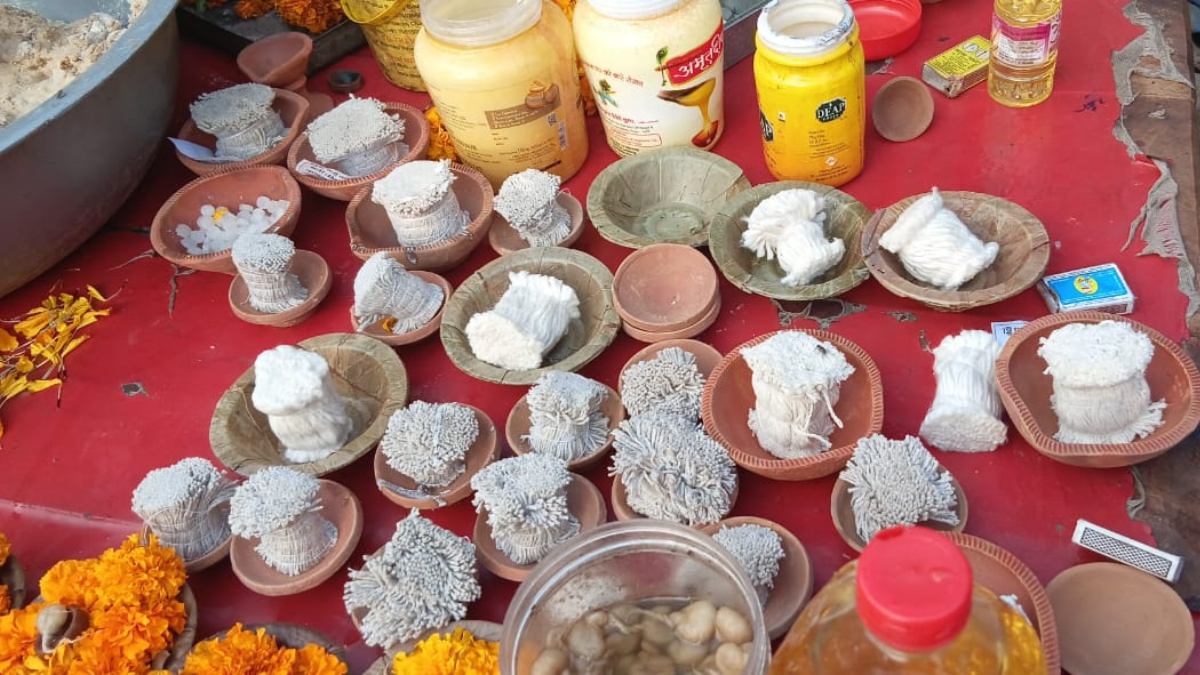
Shopkeeper Ram Mani, who sells the eco-friendly alternative diyas, told The Voices that people should look beyond cleanliness drives. He called for devotees to exercise restraint in leaving behind waste. In pursuit of the latest and most creative solutions to reduce religious waste, the government and nonprofit organisations have taken a step forward to ensure that they are discarded in a respectful manner and do not pollute the river.
Copy Editor: Megha Mann