
Climate-related disasters have left India and the world baffled in recent years. While individuals feel their actions have a lesser significant impact in bringing about positive change, the Mumbai Climate Week (MCW) held in February 2026 took a closer look at issues like this to drive change and foster a unified dialogue.
Mumbai Climate Week (MCW) was India’s first event dedicated to accelerating climate action, empowering Mumbai, India and the Global South. It provided a platform for dialogue on climate, discussion of potential solutions, and an action-focused plan by mobilising climate-focused organisations and movements.
The Thought Behind Mumbai Climate Week
Maha Govt, UNEP To Beat The Heat
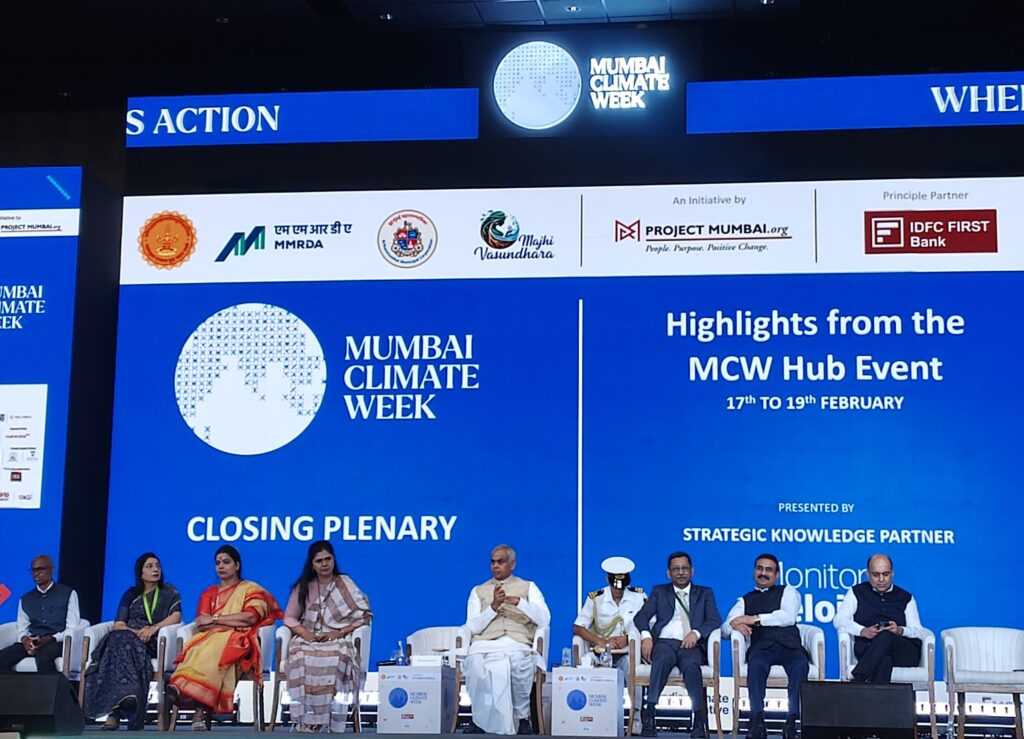
At the inauguration, Maharashtra CM Devendra Fadnavis highlighted the reason Mumbai Climate Week is necessary. He stated that climate change is a real governance challenge, causing floods, disrupting transport, affecting livelihood and bringing severe hardships for farmers.
“The goal of the event was to bring climate dialogue that often happens in the developed world to the global south, and provide a platform to diverse voices across India and other developing countries,” said Shishir Joshi, CEO and founder of Project Mumbazi. Wing Commander Rakesh Sharma, Group Captain Shubhanshu Shukla and Cricket legend Sachin Tendulkar joined to advocate urgent environmental action.
Theme of Mumbai Climate Week
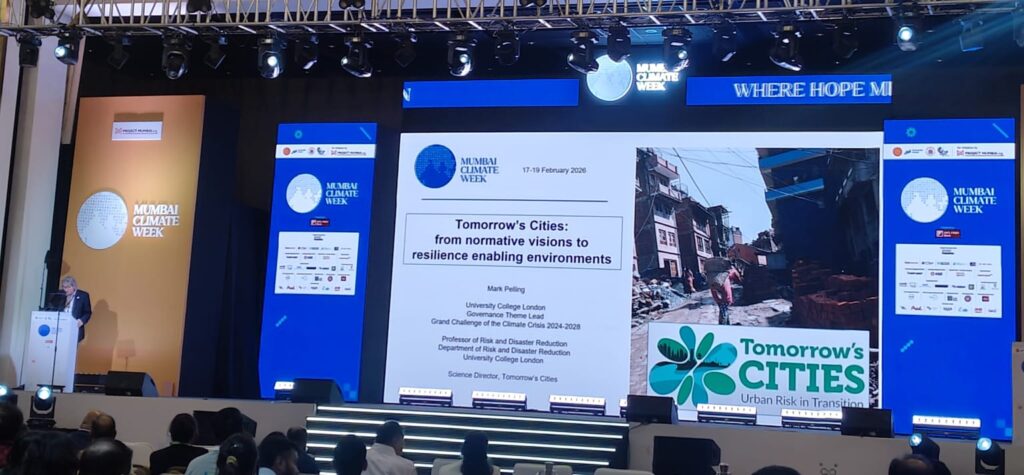
Food system theme saw methodological discussions on nature, food & people, building better market ecosystems: Producer se Consumer Tak, financing the food systems transformation in the Global South, technology and services economy for a climate-smart food transformation
The Energy transition theme focused on UNEP x MMRDA: Beat the Heat- scaling sustainable cooling – Insights from BeCool, DRE for Development: Scalable Models from India for the Global South, transport transition, scaling the green energy transition
The Exhibition Arena: Determination Towards Change
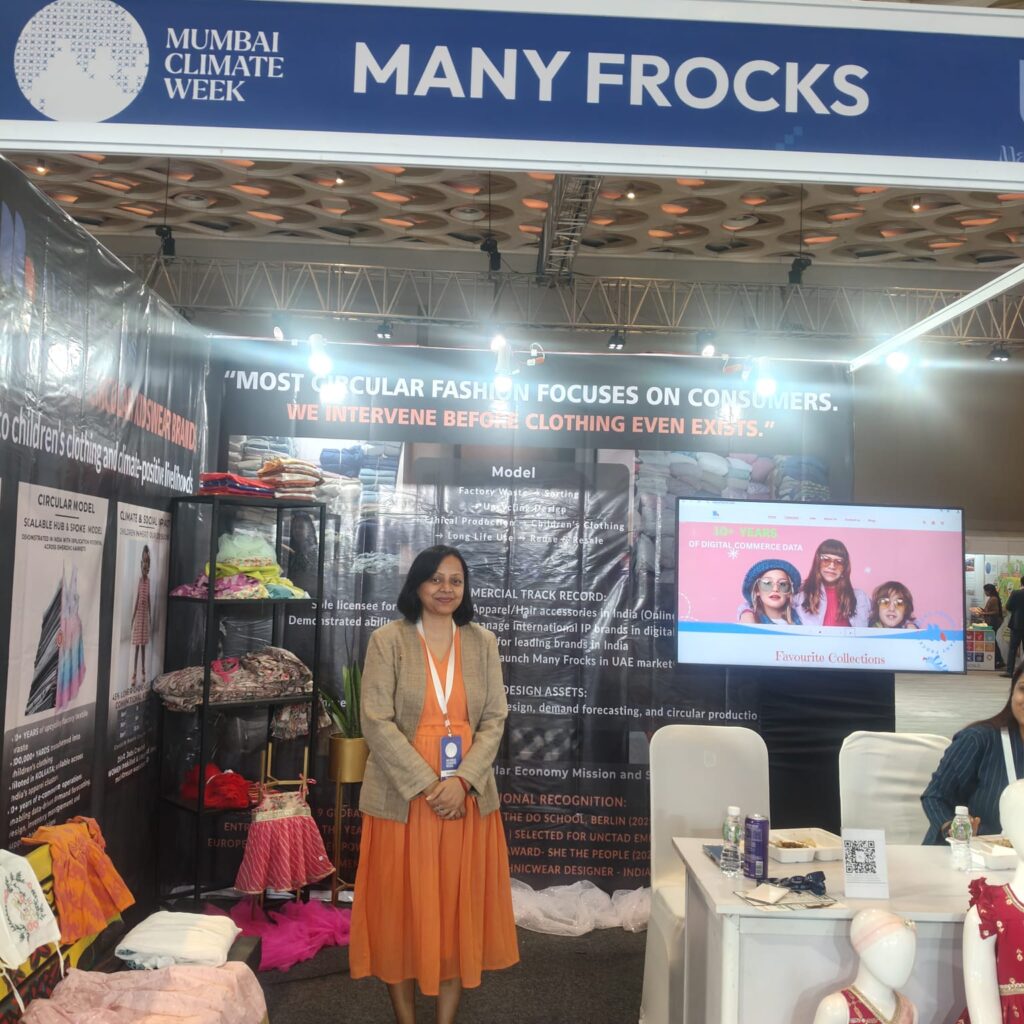
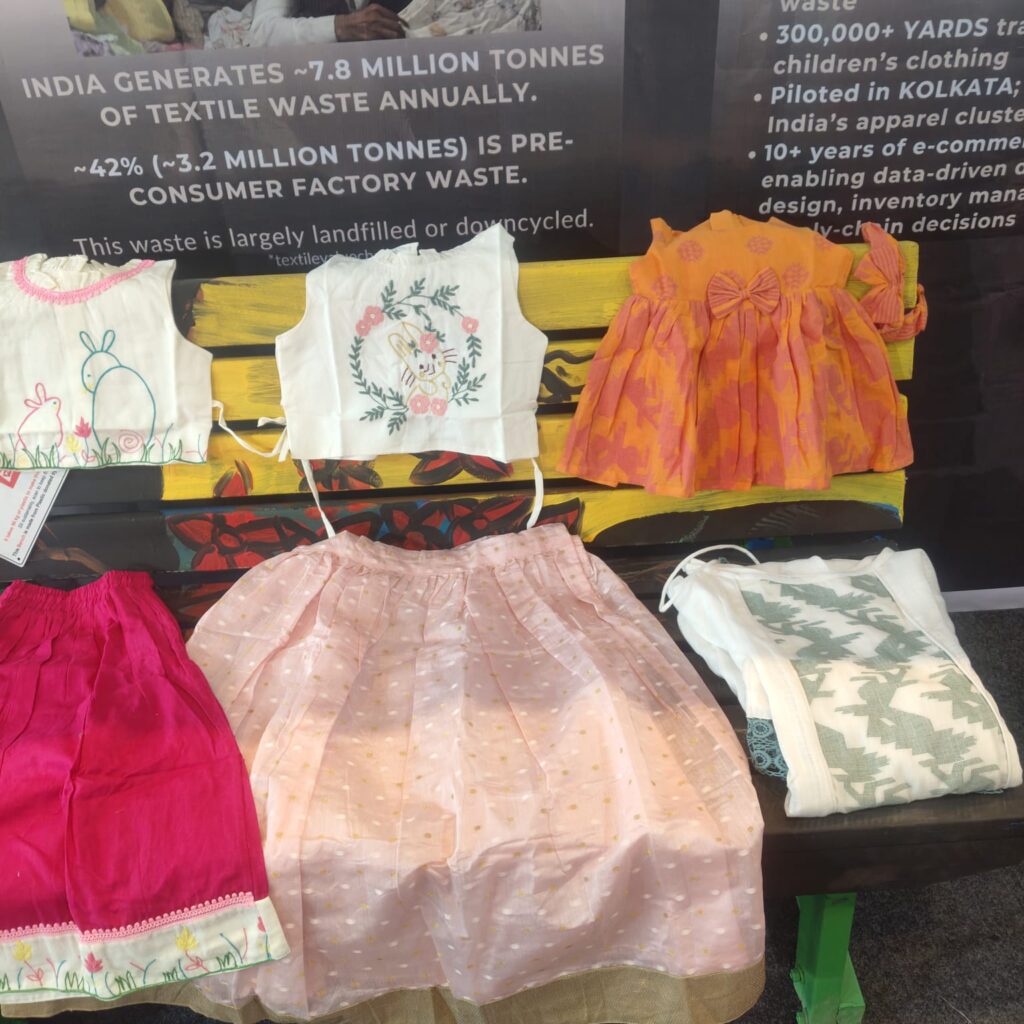
The exhibition featured a one-of-a-kind booth by Many Frocks, founded by Shilpi Datta Som, showcasing handcrafted children’s apparel made from upcycled textile waste sourced from factories and export houses. Talking to The Voices, Skipli said that as of today, Many Frocks has upcycled 3 lakh yards of fabric. Certified by Arantree Consulting Services Private Limited, the process reduces carbon emissions by 45% as compared to conventional methods.
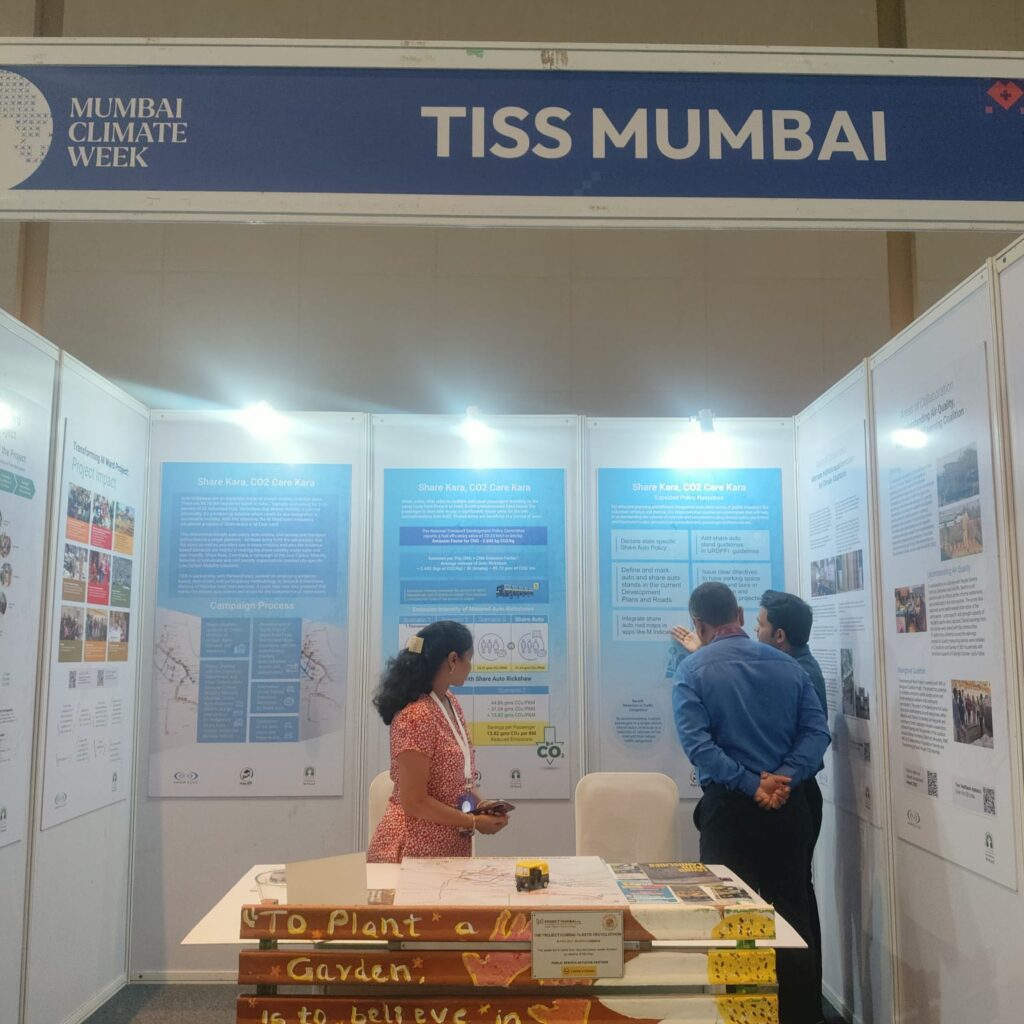
Other exhibitors include Spectrum Impact, a Mumbai-based impact organisation that developed an immersive heat-burden experience chamber, where visitors experienced 40°C conditions to understand the physical strain of extreme heat. CRASTE produces green building materials and eco-friendly paper and packaging using patented green manufacturing technology and 100% crop residue collected from local farms. Tata Institute of Social Sciences (TISS), Mumbai, focused on a key initiative, “Share करा, Care करा” (Share Kara, Care Kara), advocating shared auto-rickshaw usage to reduce carbon emissions. Tisser (specifically Tisser Artisan Trust / Tisser India), based in Mumbai, showcased its Navi Mumbai textile recycling/upcycling project.
In discussion with Abhijit Ghorpade, Director of the State Climate Action Cell
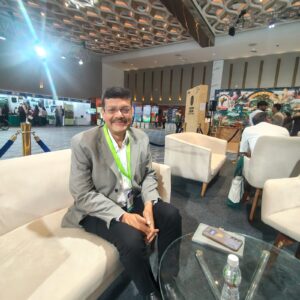
Abhijit Ghorpade, current Director of the State Climate Action Cell under the Environment and Climate Change department, Government of Maharashtra, shared his insights with The Voices, “Mumbai Climate Week will be an annual event. The Model adopted for the event is the “Hub and Spoke Model.” Hub is Jio Convention Centre, and Spoke is happening around, like at TISS, Trident, IIT Bombay, or places where communities are getting involved during this event, participating in climate-led dialogue.”
“Climate is about partnership, and Mumbai Climate Week is about building partnerships.”
– Abhijit Ghorpade
“The event is a start to a much-needed conversation because generally, climate conversations are confined in five star ambience and tend to be elitist. But Mumbai Climate Week has opened doors to community involvement and raised awareness among people,” he said.
He told The Voices that, in the context of changes that can be applied on the ground to reduce carbon emissions, Mumbai is the first city in South Asia to release a city climate action plan in 2022. It has formulated its city climate action cells and full fledged department for planning and implementation. Key challenges are urban heating/flooding, heat waves, air pollution and vehicular emissions.
Certain measures implemented include Best Buses that were converted to electric power. “Around 5000 state transport vehicles will also be turning electric. The government is emphasising the penetration of electric vehicles, with more charging stations being built near petrol pumps, malls, and cooperative housing societies. With respect to urbanisation, the building sector needs reforms such as rooftop polarisation and improved energy efficiency, for which 18 high-impact action plans are expected. The government is well focused on bottlenecks like lack of awareness among the masses regarding climate, use of sustainable building material, regulatory challenges, designing of sustainable buildings and is working towards it,” revealed Ghorpade.
Awards at The Mumbai Climate Week 2026
Bela Gram emerged as Maharashtra’s first net-zero village through Sharada Gayadhane’s panchayat leadership. The Panchayat took a leadership role in implementing renewable energy (solar panels and biogas plants), promoting energy efficiency, managing waste responsibly, and enhancing green cover through tree planting. By integrating these actions into local development planning, Bela Gram achieved carbon neutrality.
Pahchan Foundation was recognised with the EarthON Climate Champion Award for work in waste management, sustainability, and community‑driven environmental action. It’s transformative, community-rooted climate action by young changemakers in Titagarh, West Bengal, was highlighted.
Panaji was awarded was honoured for its climate‑aligned urban governance and sustainable practices that directly contribute to climate resilience and lower emissions. The city shows how integrated waste & resource management, citizen‑centred behaviour change, a replicable urban model, and linking cleanliness to climate action can drive change.
This event will be held every year, along with a small, related event held throughout the year. Mumbai Climate Week 2026 was a beginning where ideas were shared, action was shaped, and a collective journey began.
Copy Editor – Saavani Shinde